Empowering Uganda’s Cities Through Data-Informed Urban Governance for Inclusive Innovation, Growth and Development in Jinja and Fort Portal
October 2025, was a landmark month for the DataCities Project, marked by bold strides toward data-informed transformation in both Jinja and Fort Portal Cities. From strategic planning for data use and policy co-creation to hands-on digital training, the DataCities program continues to demonstrate how data can drive sustainable, inclusive, accountable urban governance across Uganda’s cities.
1. Co-Creating Statistical Strategic Plans (SSPs)
Recognizing the gaps in data and digital infrastructure, coordination, and capacity within Uganda’s emerging cities, the DataCities Consortium supported the co-creation of Statistical/Data Strategic Plans (SSPs) for both cities, a key requirement by the Uganda Bureau of Statistics (UBOS) – the national regulator. These five-year statistical/data strategic plans (2025–2030) provide a structured roadmap for data governance and statistical development, ensuring city-level data systems align with national frameworks and priorities.
The strategic planning participatory workshops created platforms for city officials, department heads, and key stakeholders to collectively identify data gaps and propose practical solutions to bridge them.
| City | Dates | Key Outcomes |
| Jinja City SSP Workshop | Sept 16–17, 2025 | Defined the vision for the SSP (2025-30): “A leading provider of timely, accurate, and reliable evidence-based data.” |
| Fort Portal City SSP Workshop | Sept 30–Oct 1, 2025 | Developed a vision for the SSP (2025-30) “A statistical system that enables a livable, resilient, and prosperous tourism city for all by 2040.” |
1.1 Strategic Focus Areas for Uganda’s Jinja and Fort Portal Cities:
- Strengthening statistical capacity and coordination across departments
- Promoting data-informed planning, budgeting, and decision-making
- Establishing systems that foster data sharing, transparency, and standardization
These SSPs will serve as the foundation for equitable, evidence-informed service delivery and budgeting, ensuring that future city decisions are informed by accurate and accessible data.
2. SafiSiti Data Platform to Transform Waste Management in Emerging Cities
Moving from strategy to action, the DataCities Project, led by ToroDev-ODA, co-designed with pilot cities and developed the SafiSiti Waste Management Data System, a digital data platform to address long-standing data generation gaps in urban waste management and governance issues.
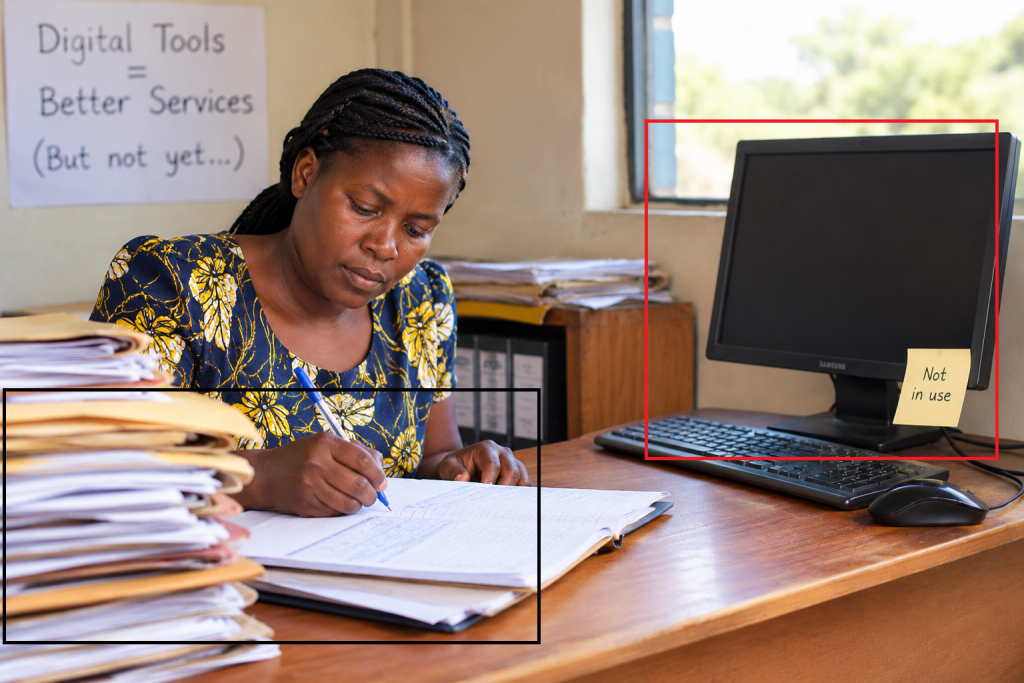
Previously, city waste data has been collected manually and stored in fragmented physical silos, limiting its usefulness for routine urban decisions and policy-making. SafiSiti aims to change this by enabling real-time data collection from household and commercial waste generation to final disposal and recycling, supporting efficient planning, monitoring and accountability.


In pictures Above: Safisiti Waste Management Data System use training in session.
2.1 Capacity Building & Field Testing of SafiSiti Waste Management Platform (Oct 21–22, 2025)
A two-day hands-on training in Jinja and Fort Portal cities equipped Village Health Teams (VHTs) and Health Inspectors with the skills to use the SafiSiti platform’s data collection modules.
Key Achievements:
- Efficiency waste data platform validated: VHTs confirmed that data entry took less than five minutes per household, proving the tool’s practicality.
- High community motivation and involvement: During field testing, residents expressed enthusiasm about the system’s potential to improve waste collection and accountability, many asking eagerly “When will it be launched?”
Key Lesson:
Data systems co-designed with users in emerging cities are more likely to succeed. The participatory approach ensures the technology addresses real needs of residents and other stakeholders, builds local ownership, and enhances sustainability.
The upcoming official launch of the SafiSiti platform within the first quarter of 2026 is expected to mark a significant step toward smart, data-driven waste management empowering city authorities, communities, and service providers to make informed decisions together.
3. Showcasing Impact: DataCities at DataFest Africa 2025
Theme: “Reclaiming Our Data Futures” – Kampala, Uganda
The DataCities Consortium and selected city officials team represented both Jinja and Fort Portal Cities at DataFest Africa 2025, sharing lessons and progress under the conference session theme; “From City Hall to the Community Data for Equitable Services and Budgets.”
City officials presented how data-driven approaches are transforming governance particularly in revenue management, waste collection, and tourism planning.
Their presentations demonstrated that:
- Data enhances transparency and accountability in decision-making in cities.
- Digital systems improve service delivery, compliance, and resource allocation.
- Evidence-informed planning helps shift city management from reactive to proactive urban governance.

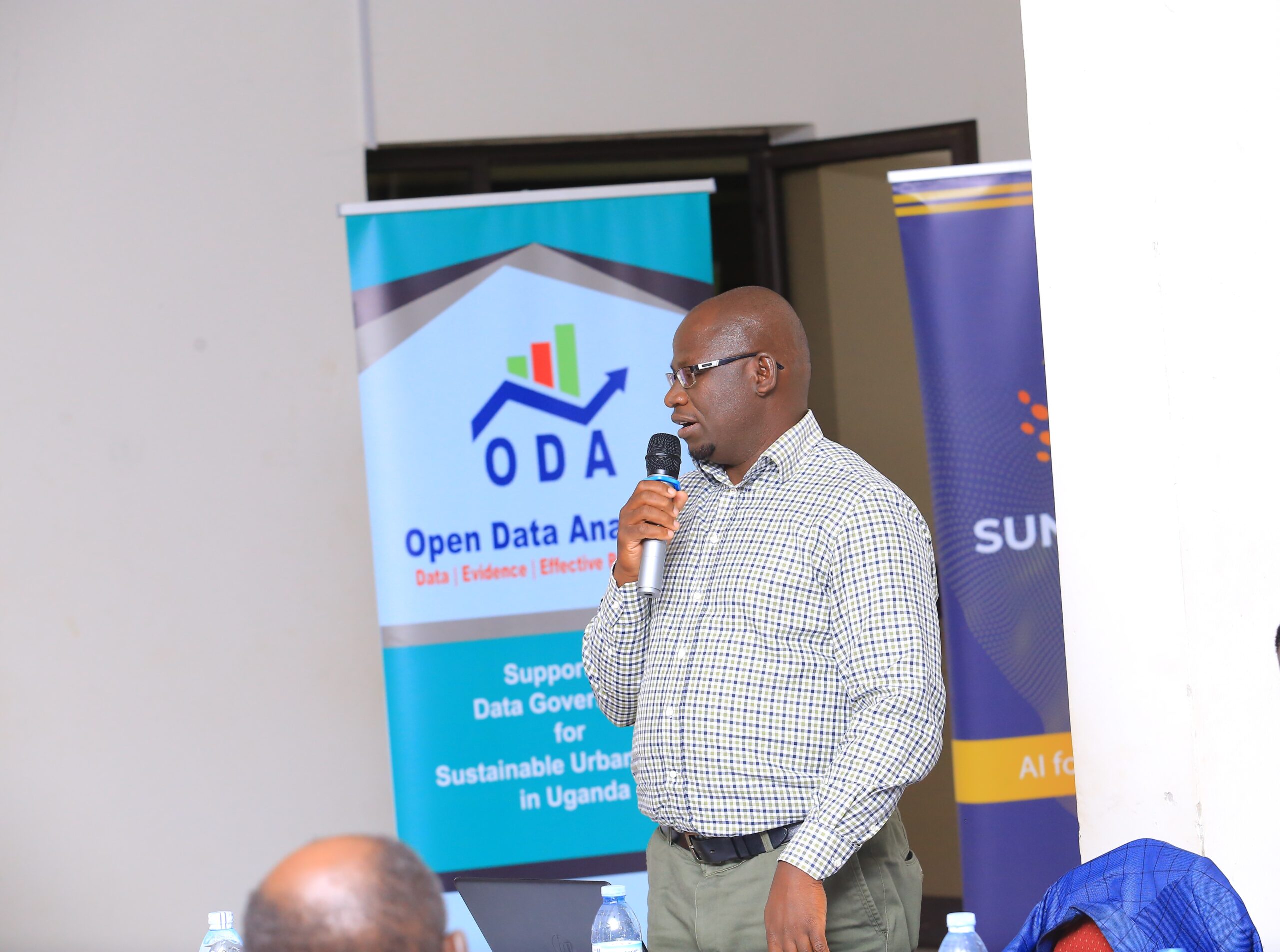
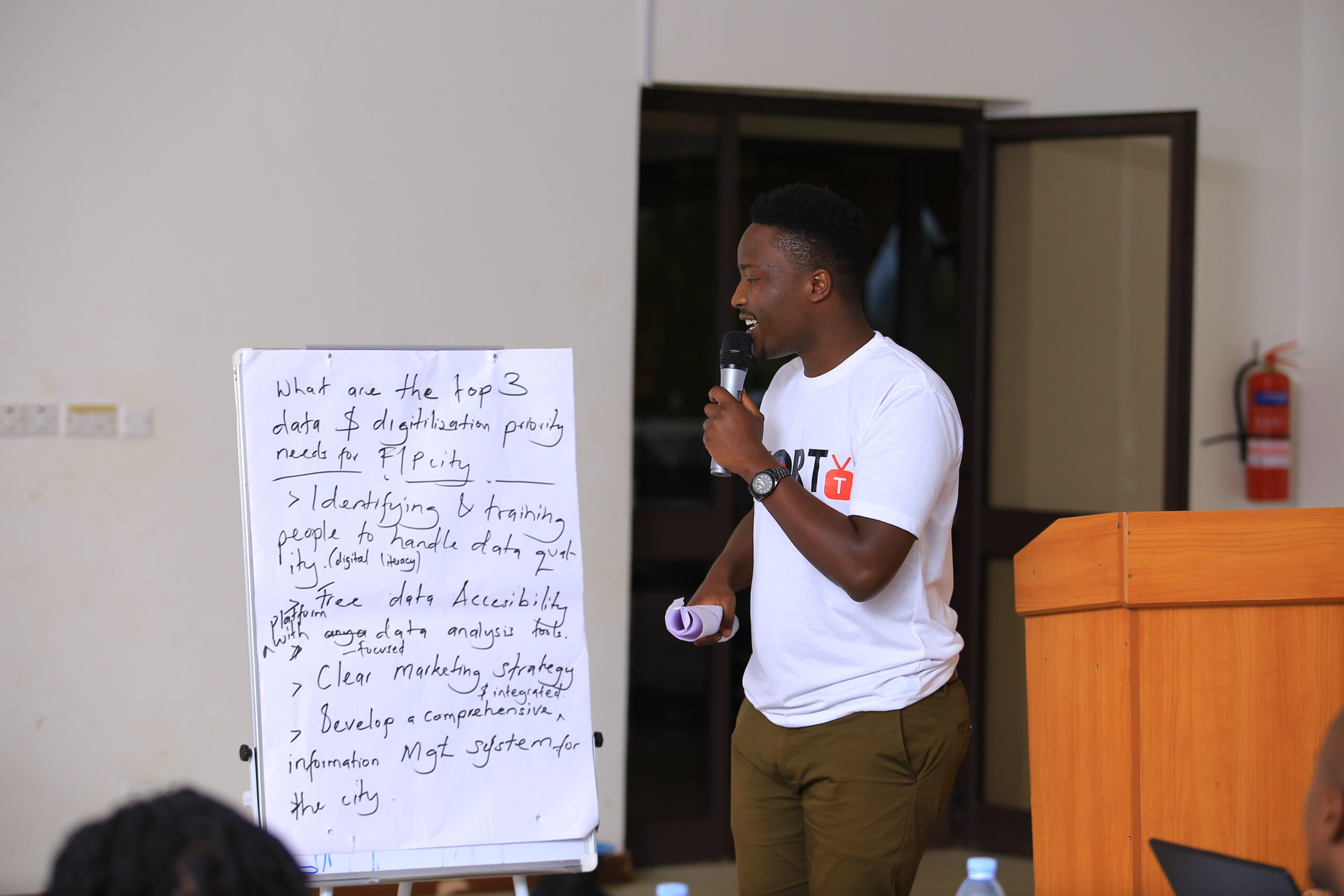
In picture above: The officials from Fort Portal and Jinja Cities during DataFest Africa 2025 in Kampala, Uganda
Our thought for reflection in October and November 2025 is that, the true measure of a smart city is not just in its complex digital technologies deployed, but in how simple data or facts generated, managed and governed well help to empower every citizen to participate in shaping its future. We look forward to continuing engaging you on our systematic journey of contributing to modelling people-centered smart cities in Uganda under the DataCities program.