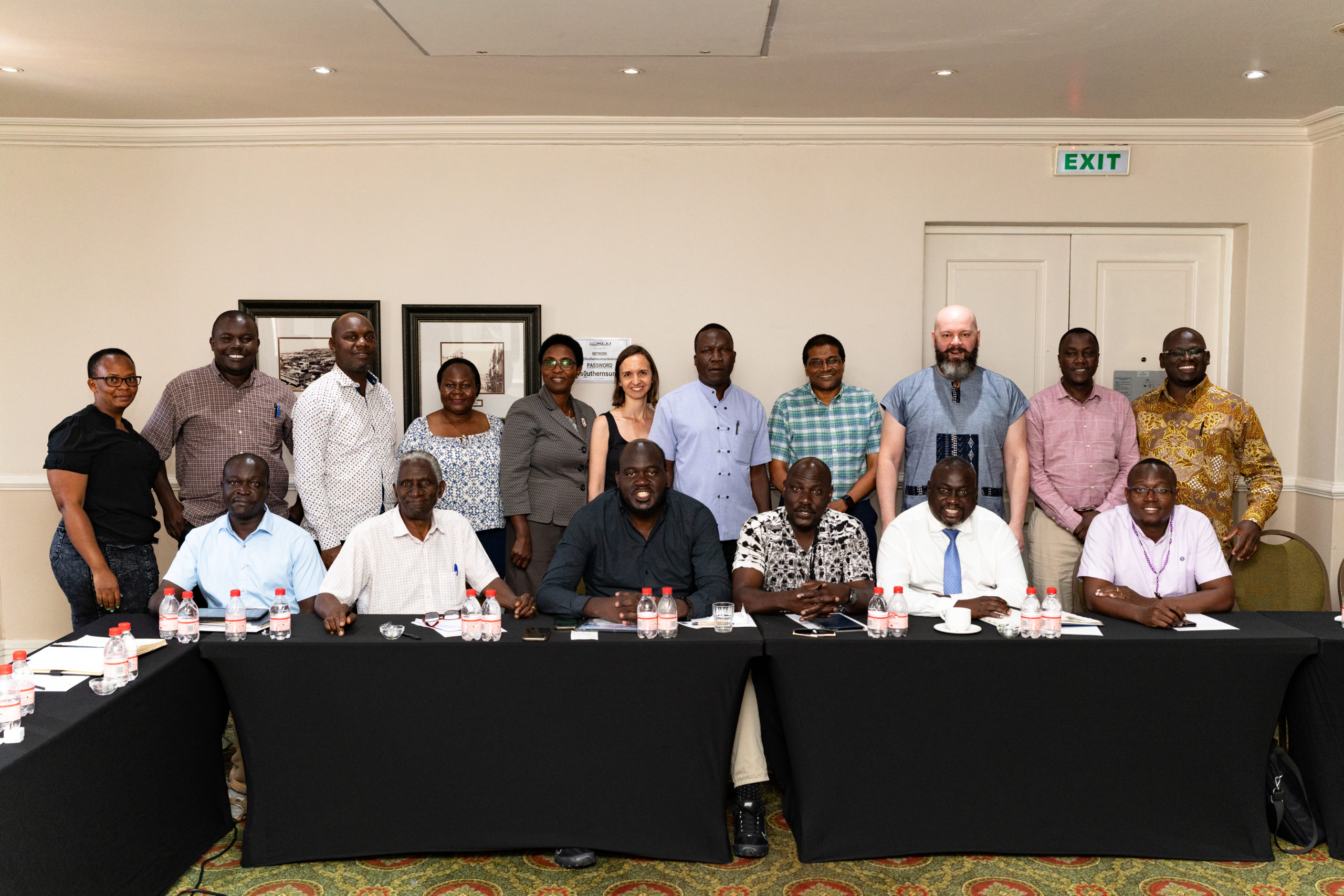
Data-driven city revenue mobilization may be achieved through, among others, putting in place robust context-specific data and AI governance and management processes. It isn’t just about deployment of latest technology or generating a lot of data only. It is about empowering the people behind the revenue data resources. That’s why the DataCities Consortium (ToroDev, Sunbird AI and UNGP) is proud to be partnering with Uganda’s Jinja City since early 2025, to deliver a dynamic capacity-building program designed to empower local revenue officers, finance teams and city policy makers in data-informed tactical and strategic thinking about local revenue improvement.
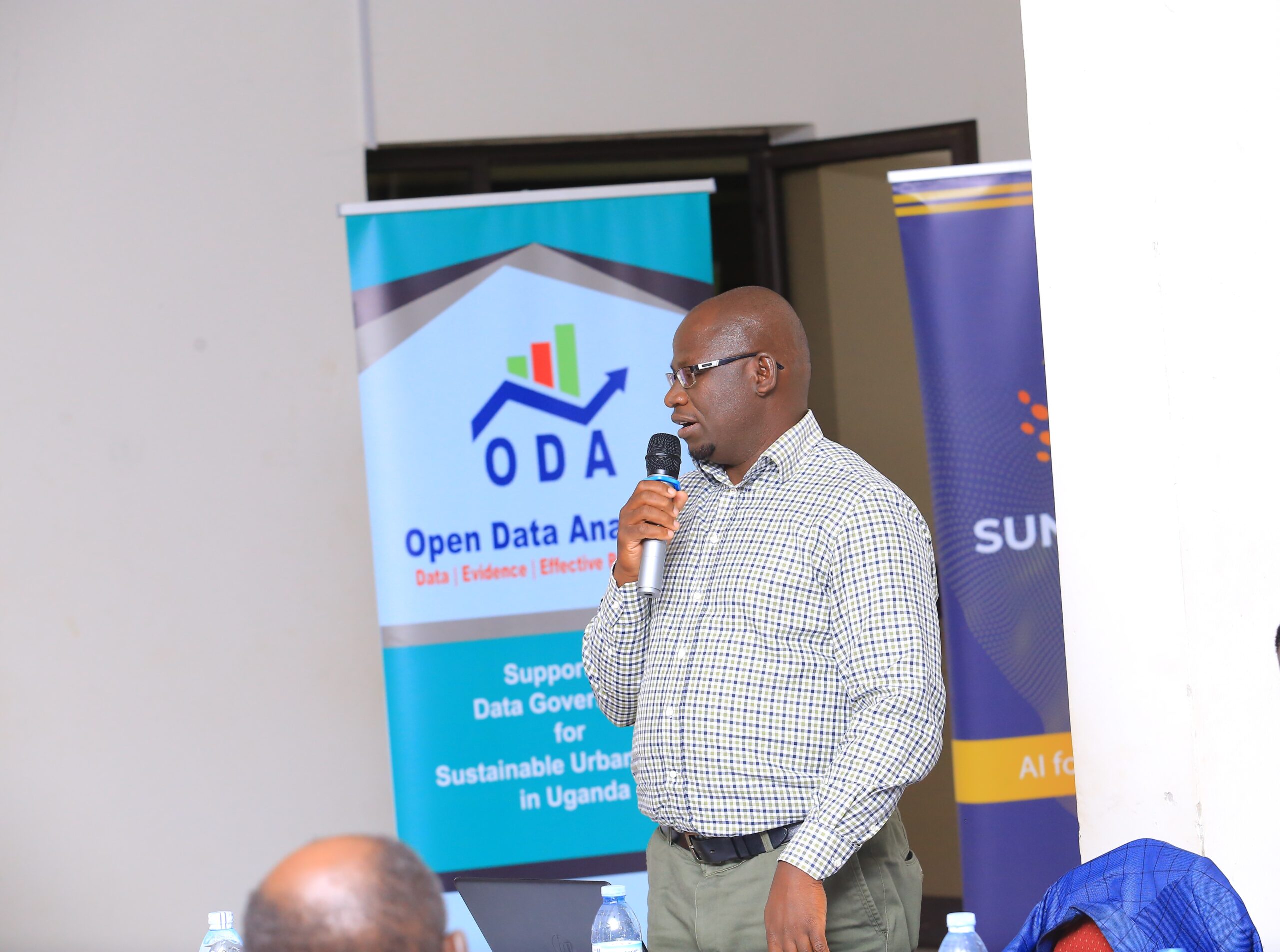
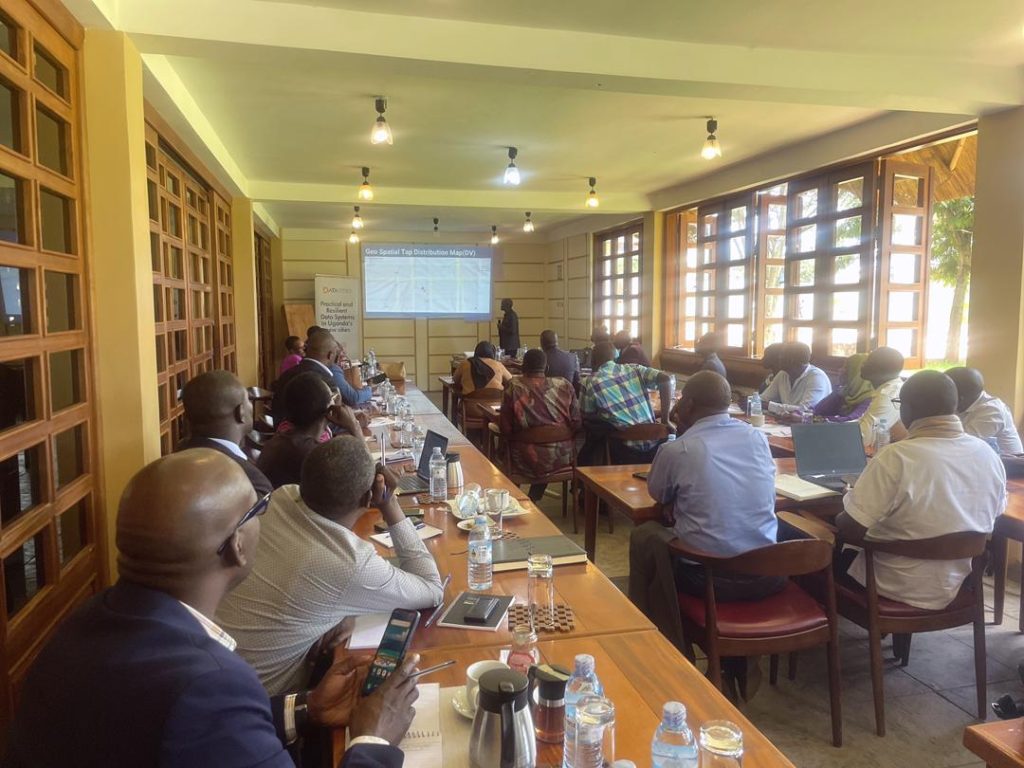
Over the course of an intensive, initial four-day workshop, DataCities’ data scientists and data governance specialists worked hand-in-hand with Jinja City’s Revenue and Finance Departments to analyze the city’s existing revenue datasets, focusing on property tax and trading license data. The team combined practical data analysis using of basic machine learning/AI models and followed-up with strategic discussions, equipping city teams with knowledge they need to start managing local revenue more effectively.
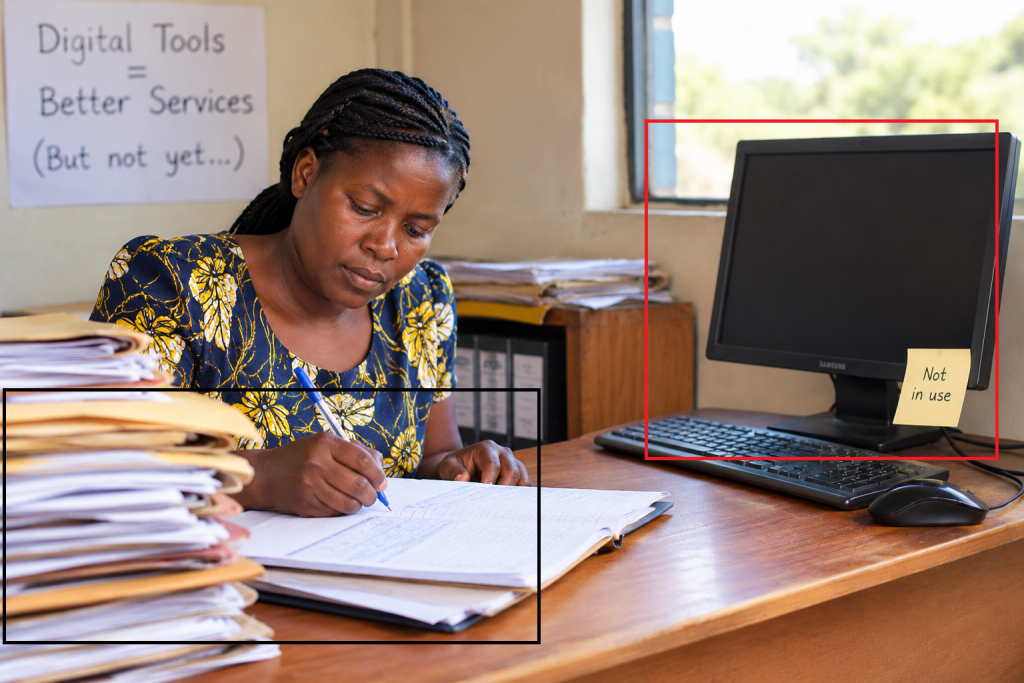
The joint team of City officials and DataCities specialists explored key topics, including data quality, validation techniques, data ownership, data sharing and the use of unique identifiers for property records to ensure data validity. The training emphasized the importance of consistent and standardized data entry, ensuring that revenue records are accurate, reliable, and easy to integrate into modern systems like the Integrated Revenue Administration System (IRAS). It was evident that availability of “legacy” revenue data systems like REEDS and EloGrev at city level, did not necessarily guarantee efficient use of data into decision and policymaking – pointing to the need for efficient data governance and management processes to be put in place.
Another highlight from the capacity building was the introduction of geospatial data analysis for efficient local revenue mobilization by the Jinja City authorities. The DataCities specialists showcased how overlaying revenue data with satellite imagery and city maps can reveal patterns of under-assessed or unregistered properties. This approach could enable Jinja City’s revenue teams to strategically prioritize areas for follow-up, making enforcement more targeted and efficient.
Participants learned to interpret heat maps, visualize data clusters, and identify high-value areas with untapped revenue potential. The geospatial data analysis for local revenue mobilization approach may also be a powerful tool for supporting evidence-informed decision and policymaking, helping the emerging city to align its tax collection efforts with its development goals.
Beyond technical skills, DataCities emphasized the need for data ownership and collaboration, as the data analysis revealed key challenges, particularly that much of the data was still stuck in silos. The training fostered a sense of shared responsibility among Jinja City’s revenue teams, empowering them to champion data quality and system improvements long after the data use capacity building workshops.
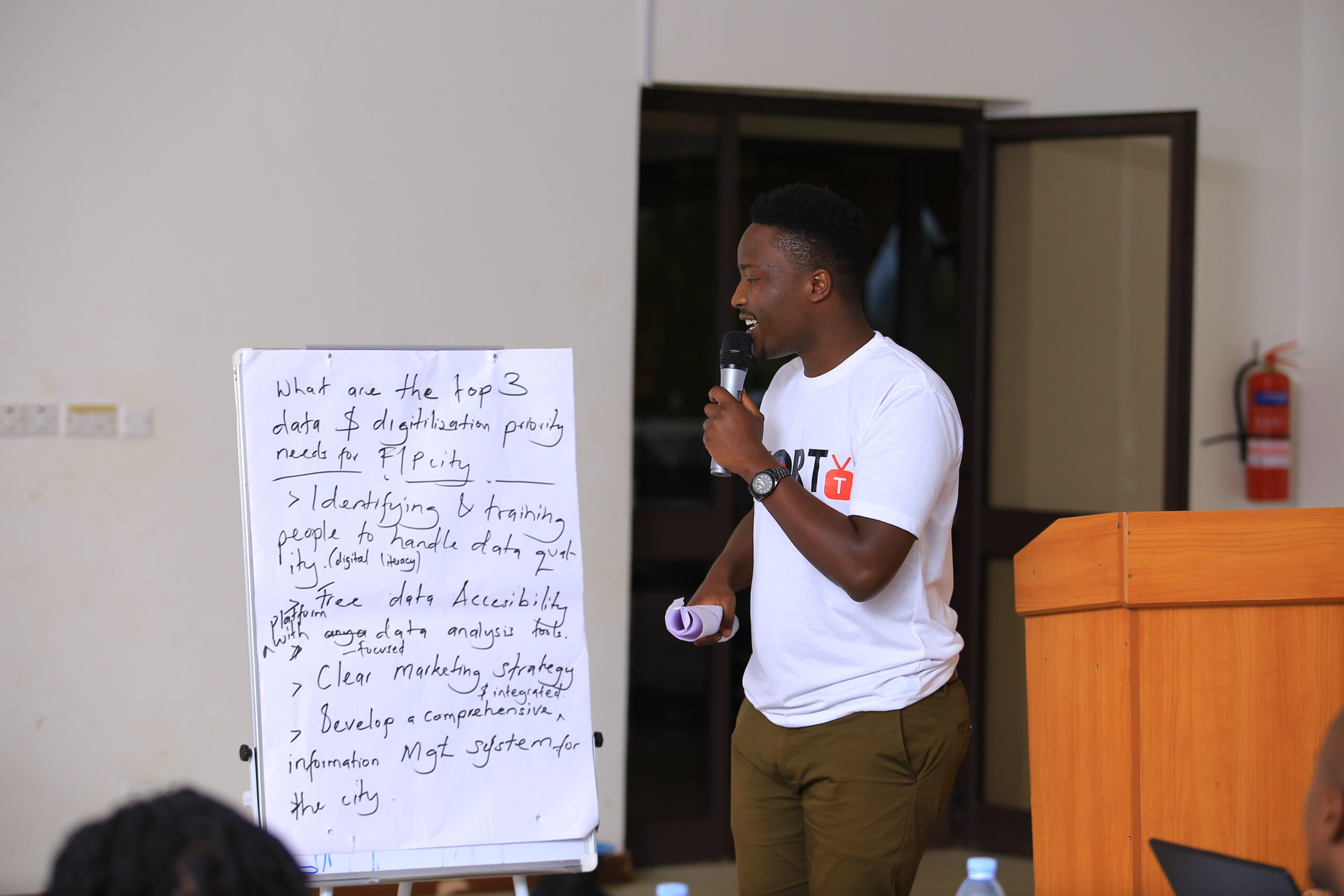
Interactive sessions and open dialogue encouraged participants to share their insights, ask questions, and co-create solutions tailored to the city’s unique context in mainstreaming data and evidence use for local revenue mobilization. This collaborative atmosphere ensured that every participant felt valued and heard, which turned technical recommendations into actionable, locally owned strategies – a powerful city/urban data governance approach.
At the heart of this capacity-building journey was a commitment to turning data into action. By analyzing real datasets from Jinja City, the DataCities team helped the city’s technical staff to identify tangible steps for immediate improvement, such as:
● Strengthening data validation and standardization protocols.
● Aligning revenue records with physical property developments.
● Enhancing compliance tracking and follow-up processes.
● Laying the groundwork for a successful rollout of the modern IRAS platform, as recommended by the Government of Uganda’s Ministry of Finance, Planning and Economic Development (MoFPED).
In summary, the DataCities Consortium remains committed to supporting Jinja City’s journey toward long-term, sustainable, data-driven local revenue management. By investing in people, building local champions and building a robust data governance framework, the city will be better prepared to manage revenue efficiently, plan effectively, and deliver the services its residents deserve.
Together, the DataCities Consortium and Jinja City are proving that capacity-building isn’t just about digital skills training only, but it’s also about city team transformation through achieving data appreciation, incentivization and setting common group rules of data use. With empowered teams and modern digital tools, the emerging city is on the path to becoming a smart and inclusive resilient city in Uganda and Africa as a continent.